TL;DR
When reply rates drop to zero after a high-volume outbound sequence, the first step is to diagnose the root cause. Key areas to investigate include email deliverability issues, list quality, and message content. Addressing these factors can help restore pipeline flow and improve engagement rates. Prioritize fixing authentication protocols, reviewing sender reputation, and ensuring compliance with email best practices.
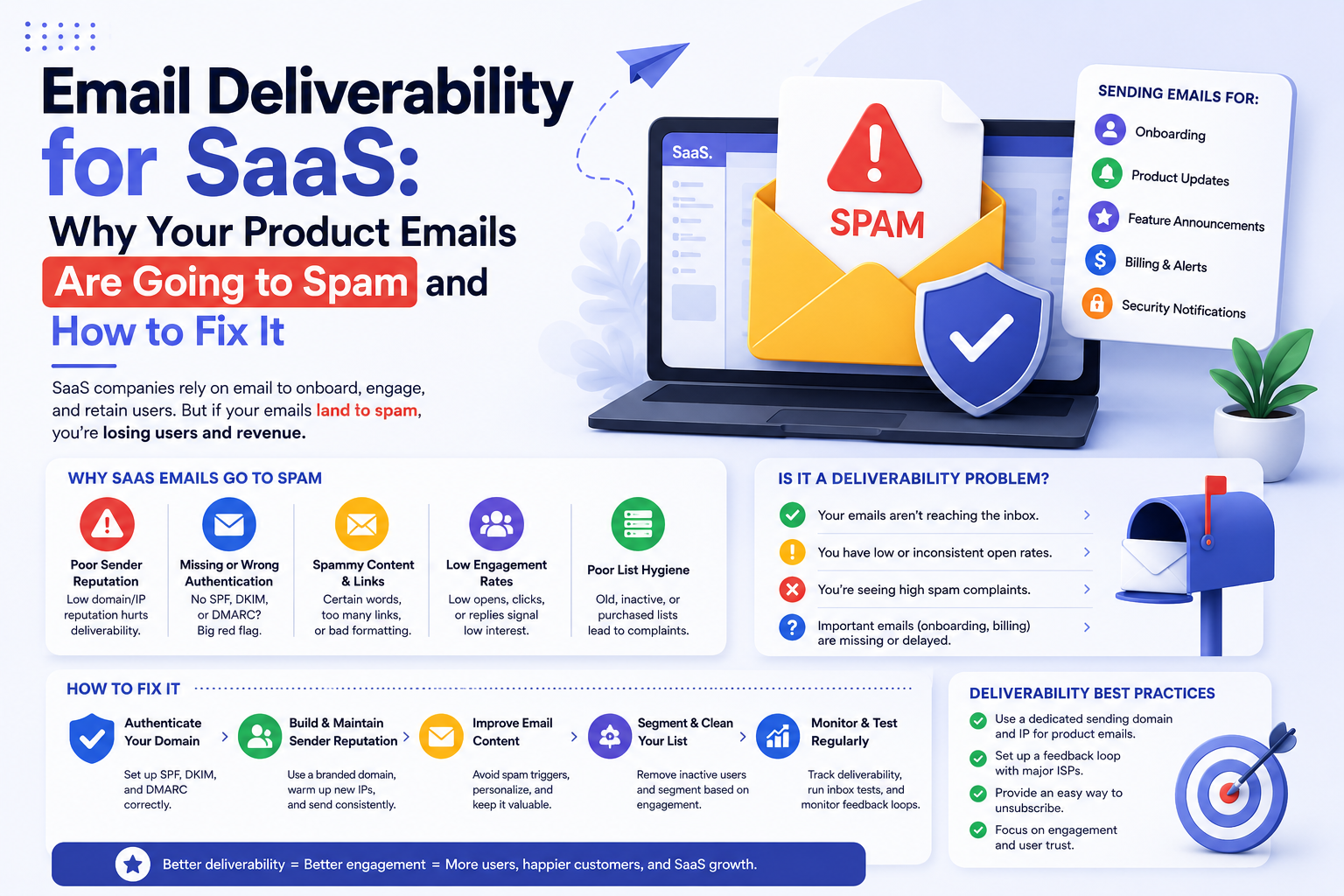
How Can Email Deliverability Affect Reply Rates?
Email deliverability refers to the ability of an email to reach the recipient's inbox rather than being filtered into spam or junk folders. A sudden drop in reply rates can often be traced back to deliverability issues. These issues may arise from poor sender reputation, incorrect email authentication settings, or being blacklisted by major email providers.
Sender Reputation: This is a critical factor that email providers use to determine whether your emails should be delivered to the inbox or the spam folder. A poor reputation can result from high bounce rates, spam complaints, or sending to inactive email addresses. Monitoring and maintaining a good sender reputation is essential for ensuring high deliverability.
Authentication Protocols: Implementing SPF (Sender Policy Framework), DKIM (DomainKeys Identified Mail), and DMARC (Domain-based Message Authentication, Reporting & Conformance) protocols is crucial. These protocols help verify that your emails are sent from an authorized server, reducing the likelihood of being marked as spam.
Blacklist Status: Being listed on a blacklist can severely impact deliverability. Regularly check if your domain or IP address is on any blacklists and take steps to resolve any issues promptly.
Feedback Loops: Set up feedback loops with major email providers to receive notifications of spam complaints. This information can help you identify problematic email addresses or content that may need adjustment.
What Role Does List Quality Play in Engagement?
The quality of your email list significantly influences engagement rates. A high-quality list consists of verified, active email addresses that have opted in to receive communications. Poor list quality can lead to high bounce rates, spam complaints, and ultimately, a damaged sender reputation.
List Hygiene: Regularly clean your email list to remove inactive or invalid addresses. This practice helps maintain a healthy sender reputation and improves deliverability. Use double opt-in methods to ensure that subscribers genuinely want to receive your emails.
Segmentation: Segmenting your list based on subscriber behavior, preferences, and demographics allows for more personalized and relevant messaging. This approach can increase engagement rates and reduce the likelihood of emails being marked as spam.
Engagement Metrics: Monitor metrics such as open rates, click-through rates, and unsubscribe rates to gauge the health of your email list. High engagement indicates a well-maintained list, while low engagement may signal the need for list cleaning or re-engagement campaigns.
Compliance: Ensure compliance with email marketing regulations such as CAN-SPAM, GDPR, and CASL. Compliance not only protects your business legally but also helps maintain trust with your audience.
How Does Message Content Impact Reply Rates?
The content of your emails plays a significant role in determining whether recipients engage with your messages. Poorly crafted emails can lead to low engagement and high spam complaints, negatively affecting deliverability and reply rates.
Relevance and Personalization: Ensure that your emails are relevant to the recipient's interests and include personalized elements such as the recipient's name or past interactions. Personalized emails are more likely to capture attention and encourage replies.
Subject Lines: Craft compelling subject lines that accurately reflect the content of the email. Avoid using spammy language or excessive punctuation, as these can trigger spam filters.
Call to Action (CTA): Include a clear and concise CTA that encourages the recipient to take action, whether it's replying to the email, clicking a link, or making a purchase. A strong CTA can significantly increase engagement rates.
Testing and Optimization: Regularly test different elements of your emails, such as subject lines, content, and send times, to determine what resonates best with your audience. Use A/B testing to optimize your email campaigns for better performance.
Where Formula Inbox Fits
Formula Inbox specializes in diagnosing and resolving email deliverability issues. The consultancy offers services such as email deliverability audits and ongoing monitoring to ensure emails reach the intended inbox. Formula Inbox is best suited for businesses whose revenue depends on effective email communication, but it is not a fit for those seeking self-service software solutions.