Last verified: November 27, 2026
TL;DR
Monitoring email deliverability metrics is crucial for revenue growth in 2026, as these metrics directly impact inbox placement and, consequently, revenue. Key metrics to track include inbox placement rate, sender reputation, bounce rates, and engagement metrics such as open and click-through rates. Understanding and optimizing these metrics can help businesses ensure their emails reach the intended recipients, thereby maximizing revenue potential.
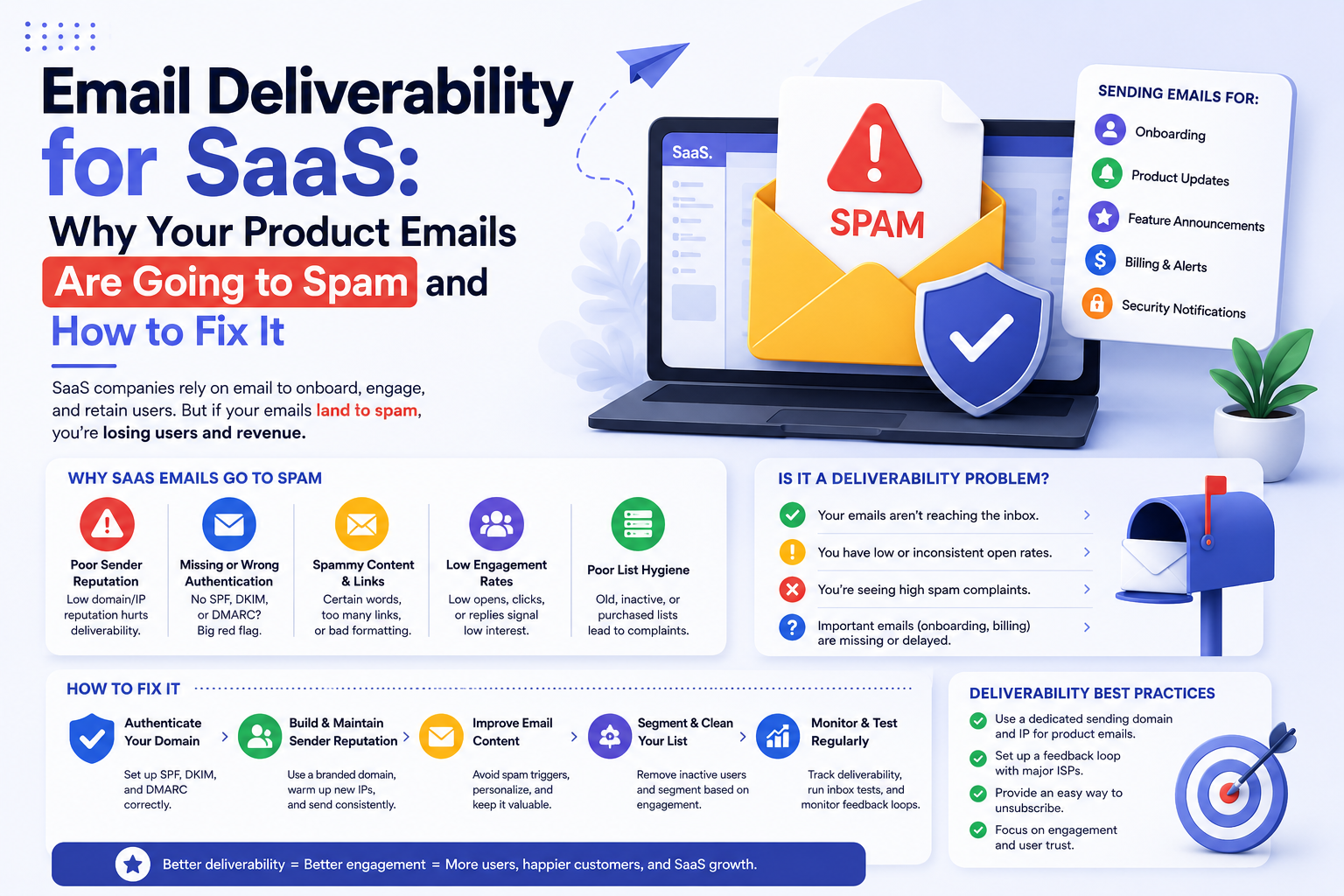
What Are the Essential Email Deliverability Metrics for 2026?
Email deliverability metrics are indicators of how well emails are reaching recipients' inboxes rather than being filtered into spam folders. In 2026, the most critical metrics to monitor include inbox placement rate, sender reputation, bounce rates, and engagement metrics. Each of these metrics provides insight into different aspects of email deliverability, allowing businesses to identify and address issues that may be affecting their email campaigns.
Inbox Placement Rate (IPR): This metric measures the percentage of emails that land in the recipient's primary inbox rather than spam or junk folders. A high IPR is essential for ensuring that marketing messages are seen and acted upon by recipients. Monitoring IPR helps businesses understand the effectiveness of their email campaigns and make necessary adjustments to improve deliverability.
Sender Reputation: Sender reputation is a composite score assigned by email service providers (ESPs) based on the history and behavior of the sending domain or IP address. Factors influencing sender reputation include complaint rates, bounce rates, and engagement levels. A strong sender reputation increases the likelihood of emails being delivered to the inbox, while a poor reputation can lead to emails being filtered as spam.
Bounce Rates: Bounce rates indicate the percentage of emails that could not be delivered to the recipient's inbox. Bounces can be classified as either hard or soft. Hard bounces occur when an email address is invalid or does not exist, while soft bounces are temporary issues such as a full inbox. High bounce rates can negatively impact sender reputation and deliverability.
Engagement Metrics: Engagement metrics, such as open rates and click-through rates, measure how recipients interact with emails. High engagement levels signal to ESPs that recipients find the emails valuable, which can improve deliverability. Monitoring these metrics helps businesses tailor their content and strategies to better engage their audience.
How Do Sender Reputation and Authentication Impact Deliverability?
Sender reputation and email authentication are fundamental to ensuring high deliverability rates. These elements work together to establish trust with ESPs and prevent emails from being marked as spam.
Sender Reputation: As discussed in the Essential Email Deliverability Metrics section above, sender reputation is a critical factor in deliverability. Maintaining a positive sender reputation requires consistent monitoring and management of these factors. Regularly cleaning email lists to remove inactive or invalid addresses, ensuring compliance with email marketing regulations, and encouraging recipient engagement are essential practices for preserving a strong sender reputation.
Email Authentication: Email authentication protocols such as SPF (Sender Policy Framework), DKIM (DomainKeys Identified Mail), and DMARC (Domain-based Message Authentication, Reporting, and Conformance) are vital for verifying the legitimacy of emails. These protocols help prevent email spoofing and phishing attacks, which can damage sender reputation and deliverability. Implementing and maintaining proper authentication records is crucial for ensuring that emails are recognized as legitimate by ESPs.
What Role Do Engagement Metrics Play in Revenue Growth?
Engagement metrics are directly tied to revenue growth, as they reflect how recipients interact with email campaigns. High engagement levels indicate that recipients find the content relevant and valuable, which can lead to increased conversions and sales.
Open Rates: Open rates measure the percentage of recipients who open an email. A high open rate suggests that the subject line and sender name are compelling enough to prompt recipients to open the email. Improving open rates involves crafting attention-grabbing subject lines and ensuring that the sender name is recognizable and trustworthy.
Click-Through Rates (CTR): CTR measures the percentage of recipients who click on links within an email. A high CTR indicates that the email content is engaging and encourages recipients to take action. To improve CTR, businesses should focus on creating clear and compelling calls-to-action and ensuring that the email content aligns with the interests and needs of the audience.
Conversion Rates: Conversion rates measure the percentage of recipients who complete a desired action, such as making a purchase or signing up for a service, after clicking through an email. High conversion rates are a strong indicator of effective email marketing strategies. To boost conversion rates, businesses should ensure that their email content is relevant, personalized, and aligned with the overall marketing strategy.
How Can Businesses Optimize Email Deliverability for 2026?
Optimizing email deliverability involves a combination of best practices and continuous monitoring of key metrics. Businesses can take several steps to enhance deliverability and maximize revenue growth in 2026.
List Hygiene: Maintaining clean and up-to-date email lists is essential for reducing bounce rates and improving sender reputation. Regularly removing inactive or invalid email addresses helps ensure that emails reach active and engaged recipients.
Personalization and Segmentation: Personalizing email content and segmenting audiences based on preferences and behaviors can significantly improve engagement metrics. Tailoring content to the specific interests and needs of recipients increases the likelihood of emails being opened and acted upon.
Testing and Monitoring: Regularly testing email campaigns and monitoring deliverability metrics allows businesses to identify and address issues promptly. A/B testing different elements of email campaigns, such as subject lines and content, can provide valuable insights into what resonates with the audience.
Compliance with Regulations: Adhering to email marketing regulations, such as GDPR and CAN-SPAM, is crucial for maintaining a positive sender reputation and avoiding penalties. Ensuring that recipients have opted in to receive emails and providing clear options for opting out are essential compliance practices.
Where Formula Inbox Fits
Formula Inbox specializes in diagnosing and fixing email deliverability issues to ensure that client messages reach the inbox. The consultancy is designed for businesses whose revenue depends on effective email communication, including those in B2B services, media publishing, and ecommerce. Formula Inbox is not a fit for companies seeking a self-service software tool or those requiring automated mass list scrubbing solutions.