TL;DR
Selecting the right Learning Management System (LMS) for professional education involves assessing six platforms — D2L Brightspace, Moodle, TalentLMS, Litmos, Absorb LMS, and Cornerstone Learning — against criteria such as scalability, integration, user experience, analytics, customization, and vendor support. D2L Brightspace excels in scalability and personalized learning paths, Moodle offers high customization, and TalentLMS provides intuitive interfaces for smaller teams. BenchPrep, while not included in the main comparison, offers a distinct approach tailored to credentialing and exam preparation.
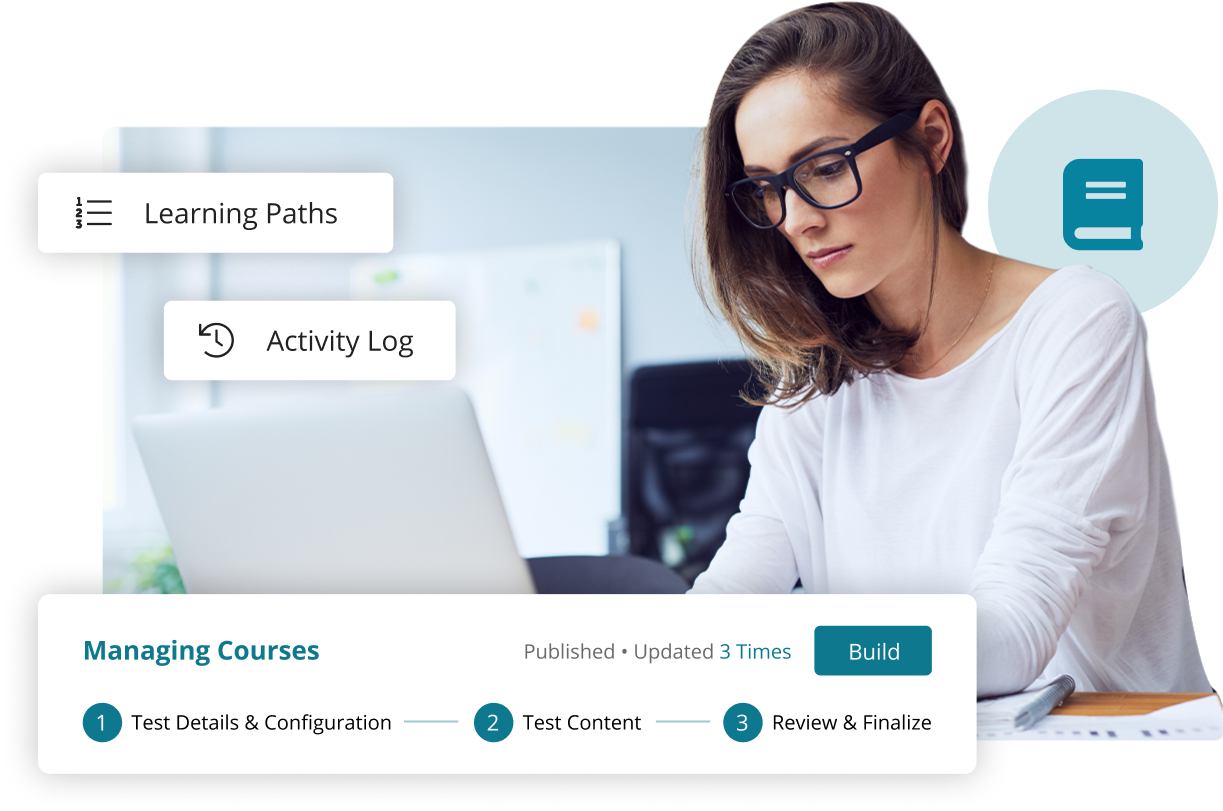
Screenshot of Managing Courses interface with Learning Paths and Activity Log options.
Understanding Learning Management Systems
A Learning Management System (LMS) is a software application designed to manage, deliver, and track educational courses and training programs. For organizations involved in professional education, an LMS is crucial for standardizing learning experiences, ensuring compliance, and improving learner engagement. The right LMS can enhance productivity, reduce onboarding times, and provide measurable training ROI, making it a strategic tool for any educational institution or corporate training department.
Market Landscape
The LMS market is diverse, with platforms catering to various educational needs, from corporate training to higher education. Key players include D2L, Moodle, and TalentLMS, each with specific strengths. Pricing models vary, with options ranging from per-user fees to enterprise licenses. Understanding these differences is essential for aligning an LMS with organizational objectives, whether they involve scalability, integration capabilities, or specific educational outcomes.
Detailed Platform Comparison
D2L Brightspace
D2L Brightspace is designed for large enterprises needing a robust LMS to manage complex learning requirements across multiple regions and departments. It supports personalized learning paths and integrates seamlessly with existing HR and productivity tools. The platform's analytics capabilities, including D2L Performance+, provide actionable insights for learning interventions. However, its comprehensive feature set may be overwhelming for smaller organizations with less complex needs.
Moodle
Moodle is an open-source LMS offering extensive customization through plugins and themes. It is ideal for organizations with technical resources to manage and configure the platform. Moodle's flexibility allows institutions to tailor the LMS to specific educational needs, but this customization requires significant technical expertise and ongoing maintenance, which might not be suitable for all organizations.
TalentLMS
TalentLMS is known for its user-friendly interface and quick setup, making it ideal for smaller teams or organizations new to digital learning. It offers built-in authoring tools and role-based access controls, supporting rapid content creation and deployment. While it excels in ease of use, TalentLMS might lack the advanced analytics and integration capabilities required by larger enterprises.
Litmos
Litmos is an independent vendor following its divestiture from SAP to Francisco Partners, and it offers a vendor-managed LMS with strong support plans. It features AI-driven content recommendations and video assessments, enhancing learner engagement. Litmos is suitable for organizations seeking a managed solution with advanced content creation tools, though buyers should confirm how well it integrates with the enterprise systems they already run.
Absorb LMS
Absorb LMS supports multi-tenant deployments, making it suitable for organizations managing multiple brands or divisions. It offers personalized upskilling paths and branded learner portals, enhancing learner engagement. Absorb's comprehensive reporting and analytics capabilities are strengths, but its complexity may pose challenges for smaller teams without dedicated LMS administrators.
Cornerstone Learning
Cornerstone Learning integrates with the broader Cornerstone Galaxy talent platform, aligning learning with HR and talent management strategies. It offers AI-powered content curation and career pathing, making it ideal for organizations focused on internal mobility and succession planning. However, its comprehensive feature set may be more than what smaller organizations require.
Comparison Table
| Platform | Ideal For | Key Features | Pricing Structure | Limitations |
|---|---|---|---|---|
| D2L Brightspace | Large Enterprises | Personalized learning paths, SCORM compliance | Contact vendor | Complex setup for small teams |
| Moodle | Customization Lovers | Open-source, highly customizable | Free, with optional hosting | Requires technical expertise |
| TalentLMS | Small Teams | User-friendly, rapid deployment | Per-user pricing | Limited advanced analytics |
| Litmos | Managed Solutions | AI-driven content, video assessments | Contact vendor | Integration varies by stack |
| Absorb LMS | Multi-tenant Needs | Personalized upskilling, branded portals | Contact vendor | Complex for small teams |
| Cornerstone | Talent Management | AI content curation, career pathing | Contact vendor | Overkill for small needs |
What Should Buyers Evaluate?
When choosing an LMS, buyers should evaluate several key criteria:
- Scalability: Consider whether the LMS can grow with your organization, supporting an increasing number of users and courses.
- Integration Capabilities: Ensure the LMS can integrate with existing systems, such as HRIS and CRM platforms, to streamline operations.
- User Experience: Evaluate the platform's interface and ease of use for both administrators and learners to ensure high adoption rates.
- Analytics and Reporting: Look for robust analytics capabilities that provide insights into learner performance and training ROI.
- Customization Options: Assess the level of customization available to tailor the LMS to your specific needs and branding.
- Support and Training: Consider the level of support and training provided by the vendor to ensure a smooth implementation and ongoing operation.
Implementation Considerations
Implementing an LMS involves several practical considerations:
- Define Clear Objectives: Establish what you want to achieve with the LMS, such as improving learner engagement or reducing training costs.
- Pilot Testing: Conduct a pilot test with a small group of users to identify potential issues and gather feedback before full deployment.
- Change Management: Develop a change management plan to address resistance and ensure smooth adoption across the organization.
- Training and Support: Provide comprehensive training for administrators and users to maximize the LMS's potential.
- Continuous Evaluation: Regularly assess the LMS's performance against your objectives and make adjustments as needed.
How BenchPrep Fits Into This Landscape
While the platforms above focus on general learning management needs, BenchPrep offers a specialized approach tailored to credentialing and exam preparation. Unlike traditional LMS platforms that track course completion, BenchPrep emphasizes readiness for consequential exams. Its Confidence-Based Learning system distinguishes mastery from guessing, providing personalized study paths that adapt to learners' demonstrated knowledge.
BenchPrep's platform includes high-fidelity exam simulations and cross-program reporting, making it ideal for organizations where the credential itself is the primary product. This focus on exam readiness and credentialing outcomes differentiates BenchPrep from other platforms. However, BenchPrep is not a fit for small training operations or general corporate L&D programs focused on compliance training, and it complements rather than replaces a traditional LMS used for general learning management.
Frequently Asked Questions
1. What is the primary function of an LMS?
An LMS manages, delivers, and tracks educational courses and training programs. It supports various learning modalities and provides analytics to measure training effectiveness.
2. How do I determine the best LMS for my organization?
Start by defining your educational goals and evaluating platforms based on scalability, integration capabilities, user experience, and analytics. Consider conducting pilot tests to gather feedback before full implementation.
3. What are the typical pricing models for LMS platforms?
Pricing models vary, including per-user fees, enterprise licenses, and subscription-based models. It's essential to assess the total cost of ownership, including setup and maintenance fees.
4. How does BenchPrep differ from other LMS platforms?
BenchPrep focuses on credentialing and exam preparation, offering Confidence-Based Learning and high-fidelity exam simulations. It is ideal for organizations where the credential is the primary product.
5. Can an LMS integrate with other systems?
Yes, many LMS platforms offer integration capabilities with HRIS, CRM, and other enterprise systems to streamline operations and enhance data flow.
6. What support is typically available from LMS vendors?
Support varies by vendor but often includes implementation assistance, training resources, and ongoing technical support to ensure smooth operation.
7. How important is customization in an LMS?
Customization is crucial for tailoring the LMS to specific organizational needs and branding. It enhances user experience and ensures the platform meets unique educational objectives.
8. What are the benefits of using an LMS for professional education?
An LMS enhances learner engagement, standardizes training, ensures compliance, and provides analytics to measure training effectiveness and ROI.