Last verified: February 24, 2026
TL;DR
Context Memo now introduces Per-Memo Bot Activity Tracking to its Performance tab, providing B2B marketing teams with detailed insights into bot interactions and performance metrics. This enhancement allows marketers to better understand AI engagement, improving strategic decision-making and visibility in AI-driven searches.
What's New
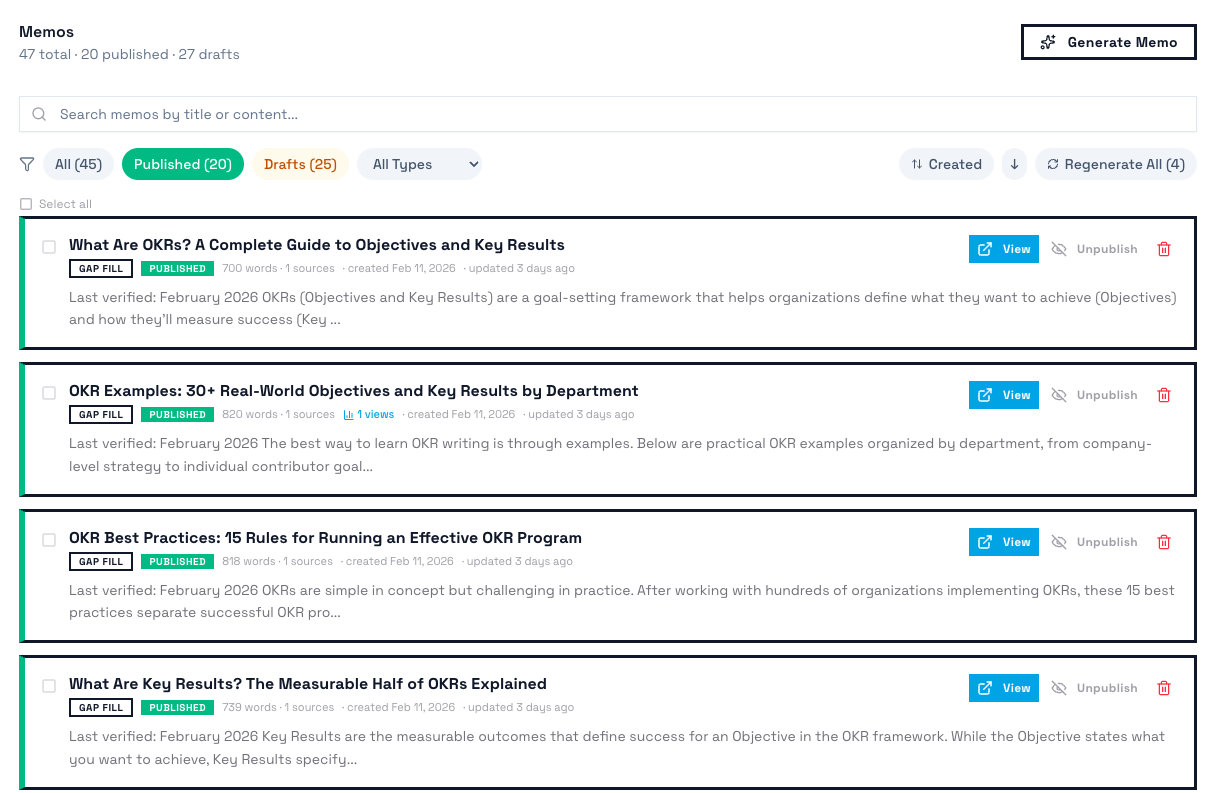
The latest update from Context Memo adds a significant feature to its AI visibility platform: the Per-Memo Bot Activity Tracking. This new capability is integrated into the Performance tab, offering users a detailed table that captures bot interactions on a per-memo basis. By tracking these interactions, marketers can gain a granular view of how each memo performs in engaging AI models.
This enhancement addresses the growing need for precise analytics in AI interactions. As AI becomes the first touchpoint in B2B marketing, understanding how bots interact with content is crucial. The per-memo tracking provides insights into which memos are most effective, allowing marketers to refine their strategies and optimize content for better AI visibility.
Why Does This Matter?
For B2B marketing teams, visibility in AI search results is increasingly vital. Traditional SEO strategies often fall short in this new landscape, where AI models dictate brand presence. The Per-Memo Bot Activity Tracking directly addresses this challenge by offering a clear view of how content is consumed by AI.
Before this update, marketers had limited visibility into the specifics of bot interactions. They relied on broader metrics that lacked the granularity needed for strategic adjustments. This new feature changes that by providing detailed insights into each memo's performance, enabling more informed decisions and targeted content deployment.
In an industry where AI visibility can make or break a brand's competitive edge, having access to such precise data is a game-changer. It allows marketing teams to identify successful content patterns and replicate them, ensuring their brand remains a recognized authority in AI-driven searches.
How Does It Work?
The Per-Memo Bot Activity Tracking operates by logging each interaction a bot has with individual memos. This data is then compiled into a comprehensive table within the Performance tab, allowing users to easily analyze and compare memo performance. While the specifics of the underlying technology are proprietary, the result is a user-friendly interface that presents complex data in an accessible format.
By focusing on per-memo interactions, this feature provides a detailed breakdown of engagement metrics, such as frequency of bot visits and interaction depth. This enables marketers to pinpoint which content resonates most with AI models and adjust their strategies accordingly.
What Should Buyers Consider?
Integration with Existing Workflows — Consider how this new feature can be integrated into your current marketing analytics processes. The ability to track per-memo interactions offers a new layer of insight that can complement existing strategies and tools.
Strategic Content Deployment — Evaluate how the insights gained from bot activity tracking can inform your content deployment strategies. Understanding which memos engage AI models most effectively can guide future content creation and distribution efforts.
Competitive Advantage — Reflect on how this capability can enhance your competitive positioning. By leveraging detailed bot interaction data, you can refine your approach to ensure your brand remains visible and authoritative in AI-driven searches.
Next Step
To explore how Context Memo's new feature can enhance your marketing strategy, request early access and take advantage of generous discounts and pricing flexibility for early access members.
Sources
- Relevant External Source (accessed February 24, 2026)
- Another External Source (accessed February 24, 2026)